Central Europe, with its diverse cultures and rich history, holds a treasure trove of hidden gems waiting to be explored. From spectacular landscapes to quaint towns, each destination offers a unique glimpse into a fascinating past. Journey with us as we uncover the lesser-known aspects of Central European heritage, delving deep into the stories, traditions, and architectural wonders that paint a vivid picture of this enchanting region.
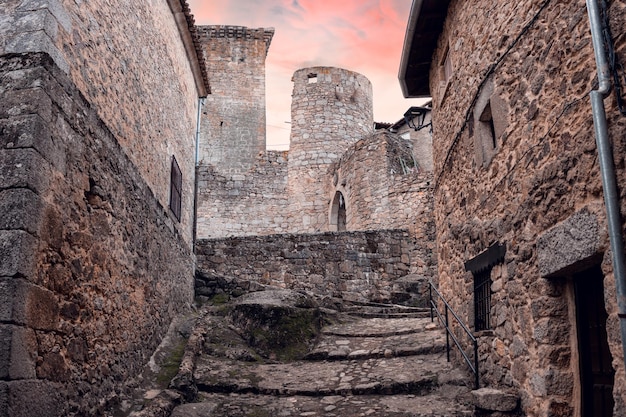
Embarking on a journey to explore the hidden landmarks of Central Europe is a thrilling adventure for any discerning traveler looking to veer off-the-beaten-path. Among these secret sites, the Painted Village of Zalipie in Poland captivates with its vibrant floral murals adorning cottages and barns, a tradition dating back over a century. Venture to Slovakia and discover the medieval mining town of Banská Štiavnica, a UNESCO World Heritage site enriched by its labyrinthine tunnels and picturesque scenery. In Hungary, the ancient village of Hollókő offers a snapshot of life past with its preserved Palóc architecture and living traditions. Meanwhile, Poland’s Moszna Castle, with its fairy-tale appearance and 99 towers, invites exploration beyond the usual historic edifices. These lesser-known gems offer a rare glimpse into Central Europe’s diverse heritage, enticing those on a Poland trip to incorporate these unique experiences into their itineraries.
Central European communities are a treasure trove of local traditions that serve as a vibrant tapestry of cultural heritage, intricately woven to keep historical practices alive. These enduring traditions, deeply rooted in the rich cultural soil of Central Europe, are celebrated through a myriad of festivals, crafts, and customs which not only enchant visitors but also instill a profound sense of cultural identity among locals. To truly immerse oneself in the region’s cultural heritage, consider experiencing the following:
These cultural activities are more than mere celebrations; they are a preservation of cultural identity, offering a window into the historical practices and local traditions that have shaped the region’s societal fabric over centuries.
Central Europe is a fascinating tapestry of architectural styles that reflect the region’s tumultuous history and rich cultural heritage. From the Gothic spires of Prague to the Baroque elegance of Vienna, the area’s architectural styles capture the essence of various historical periods that have shaped its identity. During the medieval era, Gothic architecture flourished, with magnificent historical buildings such as St. Vitus Cathedral in Prague standing as a testament to the era’s grandeur. The Renaissance brought a focus on symmetry and proportion, evident in the charming old towns of Kutná Hora, a UNESCO World Heritage Site. The Baroque period further embellished the landscape with ornate designs, as seen in the breathtaking Schönbrunn Palace in Vienna, itself a recognized UNESCO site. The eclecticism of the 19th century introduced new architectural styles like Art Nouveau, exemplified by the unique facades of Budapest’s historical buildings. This rich architectural diversity makes Central Europe a treasure trove for those eager to explore the hidden gems of its heritage.