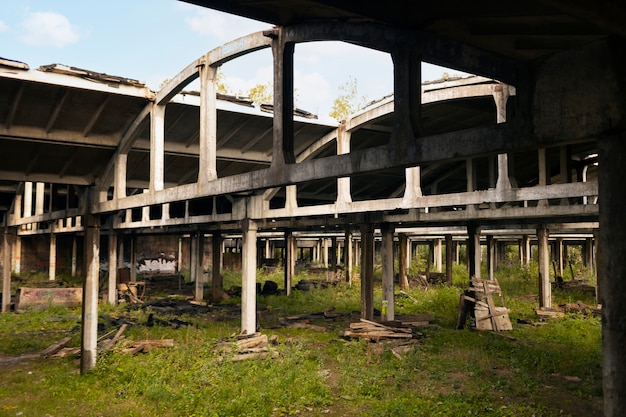
A visit to Auschwitz-Birkenau is an experience that leaves a lasting impression. Known as one of the most harrowing symbols of the Holocaust, this solemn site stands as a haunting reminder of the atrocities of World War II. Visitors often find themselves confronted with profound emotions as they walk through the remnants of the concentration camp. It serves not only as a memorial to the countless lives lost but also as an educational testament to the resilience of the human spirit and the importance of remembrance.
The historical significance of Auschwitz-Birkenau extends far beyond its physical remnants; it serves as a poignant reminder of the atrocities committed during World War II and underscores the immense importance of Holocaust education. Visiting this somber site gives us an opportunity to connect deeply with an essential period in human history, highlighting the dire consequences of unchecked hatred and bigotry. Understanding the historical context of Auschwitz-Birkenau is crucial, as it not only honors the memory of the millions who perished but also educates future generations to prevent such horrors from occurring again. By learning about these dark chapters of history, we cultivate empathy, tolerance, and a commitment to human rights.
Engaging with the history of Auschwitz-Birkenau isn’t merely an academic exercise; it is a moral imperative that equips us with the knowledge to challenge injustice in today’s world. Tours offered by services like https://www.supercracow.com enable visitors to explore this historical site with the guidance of knowledgeable professionals, providing a comprehensive understanding of the site’s profound impact on human history. These experiences forge a stronger connection to Poland’s past, allowing us to draw valuable lessons from the depths of one of humanity’s darkest periods.
Visiting Auschwitz-Birkenau is not just a history lesson; it’s a profound personal experience that resonates deeply within each visitor. The emotional impact of standing on the very grounds where unspeakable atrocities occurred is both overwhelming and quietly introspective. Visitor reflections often convey a mix of sorrow, disbelief, and an intensified understanding of trauma. Almost every visitor, upon entering the camps, is met with an overpowering sense of loss and silence that bridges past atrocities with present emotions. The site compels individuals to confront the reality of human history, permitting a genuine emotional connection that transcends the barriers of time.
Through personal reflections, many find a new perspective on life, making them more aware of the implications of hate and intolerance. The emotional impact is profound and prompting, leading visitors to ponder questions such as:
This visit to Auschwitz-Birkenau facilitates a potent and reflective journey that significantly shapes personal views and educates future generations.
The preservation of Auschwitz-Birkenau as a memorial site is a profound commitment not only to honor those who perished but also to serve as an urgent reminder for future generations. Efforts towards memory preservation at this site are meticulous and comprehensive, encompassing the maintenance of barracks, gas chambers, and personal artifacts that narrate the silent horrors of the Holocaust. This preservation is vital to transmit the historical legacy of Auschwitz-Birkenau, ensuring that the atrocities committed are neither forgotten nor repeated. Organizations dedicated to this cause work tirelessly to fortify structures, document survivor testimonies, and exhibit historical evidence that continues to educate and inform.
Moreover, education centers on-site play a crucial role in these efforts, offering various programs designed to deepen the understanding of visitors from around the world. These programs:
Through these multifaceted strategies, the memory preservation of Auschwitz-Birkenau is carefully crafted to not only remember the past but to impart its lessons to future generations, anchoring its legacy in the consciousness of humanity.