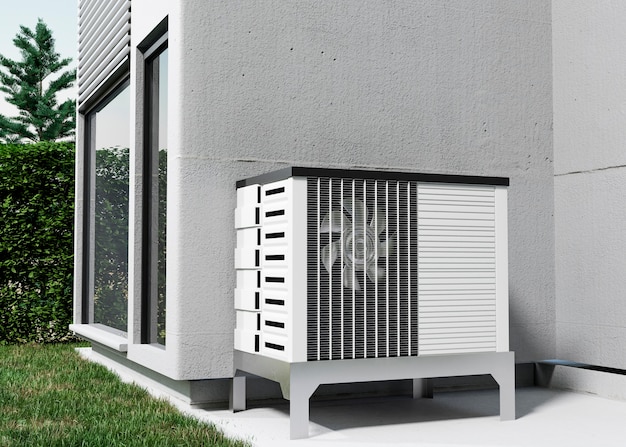
With the rising demand for sustainable and cost-effective energy solutions, heat pumps have emerged as a popular choice for homeowners looking to improve their home’s energy efficiency. By harnessing renewable energy sources, heat pumps not only lower utility bills but also reduce carbon footprints. Understanding how these systems work, their benefits over traditional heating and cooling methods, and how to choose the right one for your home can significantly enhance living comfort while promoting environmental sustainability.
Heat pumps are a revolutionary solution for improving energy efficiency in both heating and cooling applications. Unlike conventional systems, heat pumps utilize the principle of heat transfer to move heat from one place to another, rather than generating it directly. This process involves extracting heat from external sources such as the air or ground during the colder months, bringing it indoors to warm your home. Conversely, during warmer periods, heat pumps remove heat from the inside, effectively cooling the living spaces. By transferring existing heat rather than creating it, heat pumps can deliver the same amount of climate control using less energy, significantly enhancing overall energy efficiency. With this ability to serve dual functions-both heating and cooling-homeowners can achieve year-round comfort while reducing energy consumption. For a broad selection of heat pumps and other HVAC solutions to enhance your home’s energy efficiency, visit https://alfaheating.com today.
The benefits of heat pumps over traditional systems are numerous, making them a compelling choice for homeowners aiming to enhance energy efficiency. One of the primary advantages is significant energy savings. Heat pumps transfer heat rather than generate it, using less electricity and therefore reducing utility bills considerably. Additionally, their efficient operation results in lower greenhouse gas emissions, rendering them more environment-friendly compared to conventional HVAC systems that rely on fossil fuels. This eco-conscious benefit aligns well with the growing need for sustainable living. Furthermore, heat pumps offer improved performance by providing both heating and cooling capabilities in a single system, ensuring year-round comfort. Unlike traditional HVAC systems that require separate units for heating and cooling, heat pumps streamline operations, enhancing convenience and reducing maintenance. These features not only deliver cost efficiency but also contribute to a reduced carbon footprint, making heat pumps an attractive option over conventional alternatives.
Choosing the right heat pump for your home is crucial for enhancing energy efficiency, comfort, and cost savings. When considering home suitability for heat pumps, it’s essential to evaluate the climate in which you live. In colder climates, ground-source or geothermal heat pumps can provide efficient heating throughout the year by utilizing stable underground temperatures. Conversely, in milder areas, air-source heat pumps are often sufficient and more cost-effective. Another critical factor is the size of your home. Larger homes may require more robust systems to efficiently manage climate control. Additionally, consider the available space for installation; ductless mini-split heat pumps might be ideal where conventional duct systems are not feasible. Different types of heat pumps, such as air-to-air, water-source, or hybrid systems, offer various benefits and limitations, so understanding your specific home needs can guide you to the most suitable choice. By assessing these factors, you can optimize your home’s energy efficiency while reducing your carbon footprint.