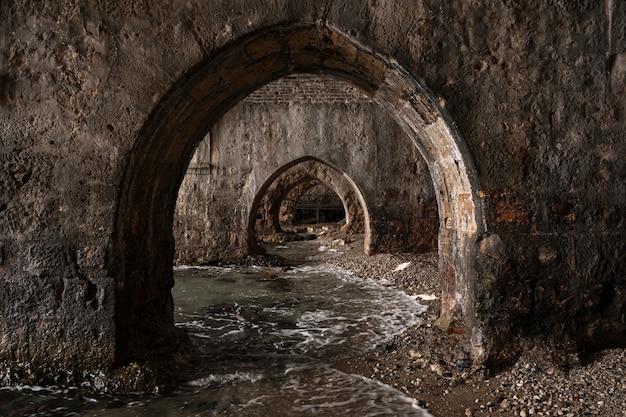
Venture deep beneath the earth’s surface and embark on an unforgettable journey into the world of historic salt mines. These extraordinary sites offer a glimpse into the past, revealing ancient engineering techniques and the vital role salt has played throughout history. As you explore these subterranean wonders, marvel at the intricate tunnel systems and learn about the cultural and economic significance that these mines have contributed to societies around the globe. Step into the depths and uncover the stories of these underground marvels.
The history of salt mining is a rich tapestry that stretches back thousands of years, with its origins deeply rooted in ancient civilizations. From the earliest salt mines discovered in Central and Eastern Europe to the developed operations in China and India, these ancient salt mines have played a crucial role in shaping human societies and economies. Salt was not only a vital commodity for preserving food, but it also held a significant status as a symbol of wealth and power. In ancient times, trading routes were formed primarily to transport salt, leading to the creation of complex trade networks that influenced cultural and economic exchanges across continents. The origins of salt mines can be traced to the natural evaporative processes of water from salt-rich sea sediments and salt lakes, gradually evolving into the more sophisticated underground mining techniques employed today. Over the centuries, technological advancements transformed salt mining, making it safer and more efficient. To explore the historic salt mines in person, consider visiting https://www.supercracow.com for an unforgettable journey into the depths of these ancient wonders.
The engineering marvels of salt mines represent profound achievements that stand as testaments to human ingenuity and perseverance. The creation of underground tunnels in these salt deposits involves intricate planning and robust construction techniques, often requiring the removal of millions of tons of earth. These tunnels, sometimes extending for miles, must be carefully engineered to withstand the immense pressures from above. Early mining techniques relied heavily on manpower and rudimentary tools, but over time, advancements in salt mine engineering have revolutionized the field. The introduction of mechanized tools and explosives transformed the extraction process, enhancing efficiency and safety. Cutting-edge technologies such as laser-guided drills and computerized ventilation systems now ensure precise and environmentally sustainable mining practices. As we delve deeper into the historic salt mines, we uncover layers of engineering prowess that have allowed civilizations to exploit these subterranean riches throughout history.
The cultural impact of salt mines reaches far beyond their industrial importance, as they serve as vital connections to the past, embracing cultural significance that resonates across generations. These subterranean wonders have transformed into pivotal heritage sites, attracting travelers from all corners of the globe. Salt mine tourism not only preserves these historic locations but also breathes life into local economies, fostering a unique blend of education, culture, and commerce. Historically, these mines shaped the character and prosperity of their regions, laying the groundwork for vibrant communities whose traditions and tales are enriched by the salt beneath them. Today, as visitors explore these underground marvels, they engage in a dialogue between the past and present, gaining insight into the historical engineering feats and rich narratives embedded within the walls of salt. Such tourist attractions highlight the enduring cultural significance of these mines, ensuring their stories and economic influence remain vibrant parts of our shared heritage.