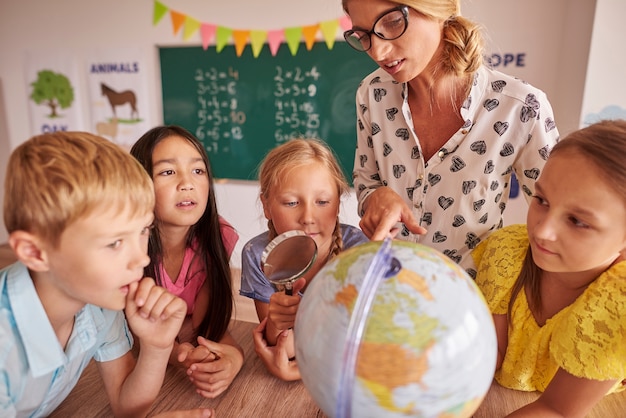
In today’s increasingly globalized world, the ability to speak more than one language has become an invaluable skill. Early childhood is a crucial time for language development, and integrating bilingual education through play and exploration can offer numerous benefits to young learners. By creating an engaging and interactive environment, children not only develop language prowess but also gain cognitive, social, and cultural advantages. This article delves into why introducing languages at this stage is beneficial and how play can make the learning process more effective.
Bilingual play offers profound cognitive development advantages for young minds. Engaging children in activities that incorporate both French and English can significantly enhance their memory retention and concentration. This exploration of dual languages through structured play is known to improve problem-solving skills, as kids learn to correlate words and concepts across the languages. Moreover, interacting with multiple languages during playtime fosters increased brain flexibility, a critical component in adapting to new information and environments. The interplay of languages stimulates diverse neural pathways, generating substantial neurological benefits that extend into various aspects of cognitive growth for infants and preschool-aged children.
At bilingual daycares in Westchester and Manhattan, young learners thrive in environments specifically designed to nurture these brain-boosting advantages. These early educational settings offer play-based curricula that prioritize language immersion and exploration. The combination of play and language learning helps children build a foundation for future academic success. By engaging in bilingual play, children develop essential cognitive abilities that prepare them for a multilingual world, all while experiencing the joy and discovery that play provides.
Bilingual education during early childhood is a cornerstone for enhancing both social skills and emotional development. Engaging children in language learning through play and exploration promotes an appreciation of language diversity, which ultimately enriches their understanding of the world. As children interact with peers from various linguistic and cultural backgrounds, they naturally cultivate empathy and compassion. This exposure to different cultural perspectives enables them to form connections based on mutual respect and understanding, rather than on stereotypes or biases. Bilingual children often showcase increased adaptability in social situations, as they become comfortable communicating across cultural lines.
Furthermore, exposure to multiple languages enhances emotional intelligence because it requires children to understand and interpret different types of communication cues. This heightened awareness helps them to navigate and manage their own emotions more effectively, promoting emotional balance and resilience. Bilingual education not only enriches cognitive abilities but also fosters a more inclusive and harmonious social environment. The acquisition of multiple languages is truly a powerful tool for developing well-rounded global citizens who thrive in diverse social settings.
Play-based learning in early childhood bilingual education harnesses the innate curiosity and imagination of young children, transforming language acquisition into a delightful adventure. Interactive activities such as role-playing, storytime, and music sessions provide a dynamic platform for children to immerse themselves in a new language environment. Role-playing games allow children to practice vocabulary and conversational phrases in real-life scenarios, enhancing both comprehension and expression. Incorporating storytime sessions with bilingual picture books introduces children to new words and expressions in a context that is both familiar and entertaining, fostering a natural progression in their language skills.
Additionally, engaging in arts and crafts activities can reinforce language learning by integrating vocabulary associated with colors, shapes, and objects, thereby cementing new language concepts in a playful context. Singing songs and rhymes introduces rhythm and melody into language learning, making it easier for children to remember new words. Utilizing interactive digital tools, such as educational apps and language learning games, also holds significant promise in engaging young learners by combining technology with play-based learning strategies. These methods ensure that language acquisition is not only effective but also an enjoyable experience for young children.