In today’s competitive food industry, businesses are constantly searching for innovative ways to boost efficiency and meet the ever-growing market demands. One significant advancement is the use of filling machines, which are transforming the food packaging landscape. By automating and streamlining the packaging process, companies can achieve higher productivity, maintain consistent product quality, and scale their operations effectively. Explore how filling machines can be a game-changer in your packaging process.
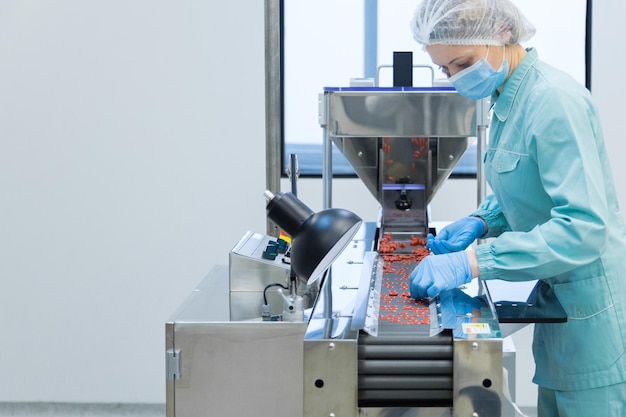
Filling machines are indispensable in modern food packaging automation, offering unparalleled efficiency and precision. These machines are designed to handle various types of containers and products, ensuring that each is filled consistently to the desired volume, which greatly reduces waste and improves quality control. In a competitive industry where every second counts, the introduction of filling machines into your packaging process can significantly boost productivity. By automating the filling process, businesses can free up human resources for other critical tasks, ultimately driving overall efficiency. Moreover, filling machines ensure that every package is sealed with exactitude, thus maintaining the product’s freshness and prolonging its shelf life. The consistency achieved through these machines means that customers receive the same high-quality product every time. With these advantages, companies looking to overhaul their operations turn to leaders in the field, such as Rafpol Distribution Ltd, whose comprehensive solutions can be viewed at https://www.rafpol.co.uk.
In the quest to enhance efficiency and precision in food packaging processes, understanding the types of filling machines available is paramount. These machines can be categorized broadly into liquid fillers and dry fillers, each tailored to accommodate the unique characteristics of various food products. Liquid fillers, for instance, are designed to handle items ranging from syrups to sauces, ensuring a seamless and contamination-free transfer into containers. On the other hand, dry fillers are adept at dealing with powdered and granular products like flour and sugar, maintaining accuracy in weight and volume. By incorporating advanced technology and precision, these filling machines provide flexible packaging solutions that can adapt to the specific needs of different food items, thereby optimizing both small-scale artisanal operations and large industrial production lines. As a result, businesses can achieve a heightened level of efficiency and product integrity, ultimately transforming their food packaging process into a streamlined, cost-effective operation.
Seamlessly integrating filling machines into your existing packaging process can transform your production line, leading to substantial cost savings and a remarkable return on investment (ROI). The first step to achieving this seamless integration is conducting a thorough assessment of your current packaging setup to identify bottlenecks and inefficiencies. By strategically placing filling machines where they can best address these issues, you not only streamline your operations but also enhance productivity. Modern filling machines are designed for adaptability, allowing for quick adjustments to accommodate different product types and packaging sizes, thus reducing downtime and increasing efficiency. Additionally, automating repetitive tasks with these machines minimizes manual labor errors, further optimizing the cost-effectiveness of your process. Investing in high-quality filling machines may require an initial outlay, but the long-term ROI is undeniable, as faster throughput results in higher volume output and decreased labor costs, ultimately boosting your bottom line.