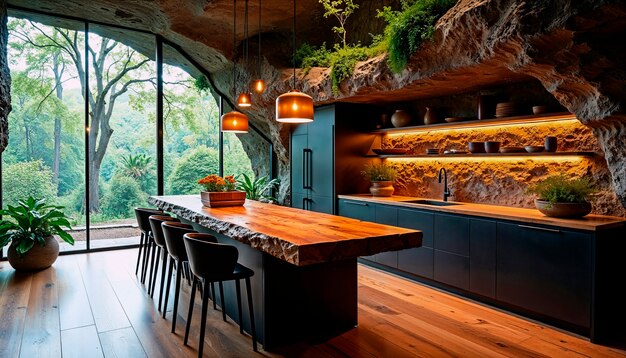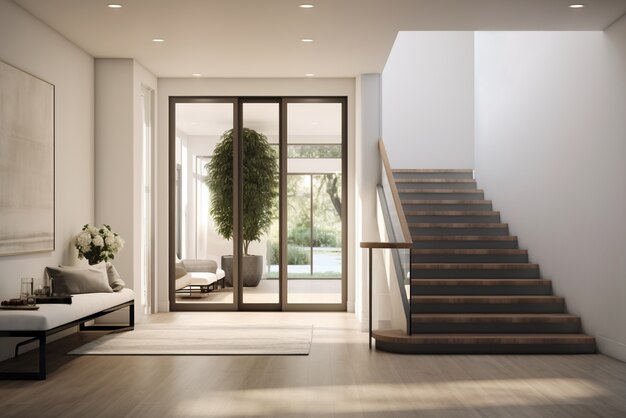
In today’s competitive dining landscape, creating an inviting and unique restaurant environment is crucial for attracting and retaining customers. Innovative 3D modeling techniques are reshaping the way architects and designers approach restaurant interiors, providing powerful tools to visualize and refine design concepts before they are brought to life. With the ability to explore various layouts and styles in a virtual space, designers can more effectively meet the demands of functionality and aesthetics.
In recent years, 3D modeling technology has been revolutionizing interior design by enabling designers to visualize and craft intricate and innovative restaurant environments like never before. This cutting-edge technology provides designers with a platform to explore dynamic concepts and experiment with new aesthetics, allowing for unprecedented creativity in restaurant innovation. With the power of advanced visualization, designers can meticulously plan every detail, from the spatial layout to lighting, textures, and decorative elements, ensuring that the envisioned ambiance aligns perfectly with the brand’s ethos and customer expectations. The use of 3D modeling empowers designers to experiment virtually, reducing the risk of costly mistakes and enabling flexible adjustments during the design process.
By leveraging a 3d restaurant asset bundle, designers gain access to an extensive library of pre-made elements that can be seamlessly incorporated into their projects, elevating the design’s realism and quality. The capabilities of 3D modeling extend beyond mere visualization by offering a range of tools and features such as:
These features make it easier for architects and interior designers to transform concepts into tangible dining spaces, pushing the boundaries of traditional design methods and setting new standards in the industry.
In the realm of restaurant design, striking the perfect balance between functionality and aesthetics is paramount, and this is where cutting-edge 3D modeling techniques shine. Designers leverage these tools to meticulously plan and visualize every aspect of a restaurant’s layout, ensuring that practical elements such as seating arrangements and foot traffic flow seamlessly harmonize with the visual appeal of the space. Through detailed 3D modeling, designers can anticipate how different design components interact, optimizing the design balance well before construction begins, thus enhancing the overall customer experience.
By incorporating 3D modeling, designers are empowered to create environments that not only look stunning but also support operational efficiency. They can experiment with a variety of design options, weighing aesthetic considerations against functional requirements to craft a setting that meets both business needs and customer expectations. This holistic approach allows designers to present their clients with a tangible preview of the final result, ensuring that the restaurant delivers an unparalleled dining experience where every design choice has been thoughtfully curated for ultimate customer satisfaction.
The integration of 3D modeling in restaurant design is revolutionizing project management by enhancing collaboration and streamlining the design process. Utilizing 3D visualization allows stakeholders to experience a realistic representation of the final design, thus facilitating better communication and understanding among architects, designers, and restaurant owners. These visualizations enable team members to visualize potential design challenges early in the development phase, allowing for proactive adjustments and timely feedback. As a result, the design process becomes more fluid and efficient, reducing the likelihood of costly and time-consuming revisions later in the project.
Furthermore, 3D visualization fosters a collaborative environment where team members can collectively explore design options and make informed decisions. Real-time updates through shared 3D models mean that everyone involved in the project has access to the latest design iterations, ensuring that the team remains aligned and focused on achieving the project’s objectives. This enhanced collaboration not only improves project management efficiency but also contributes to the creation of innovative and aesthetically pleasing restaurant designs that meet client expectations and enhance the dining experience.