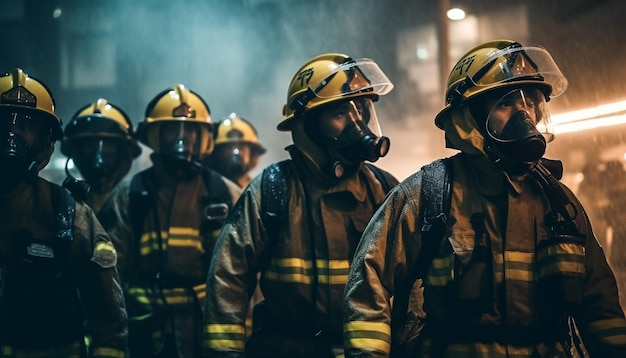
In our rapidly evolving world, ensuring the safety of individuals and properties from fire-related hazards is of paramount importance. With urban areas expanding and technology advancing at an unprecedented pace, the need for comprehensive fire safety solutions has never been greater. This article explores innovative approaches to fire safety in modern environments, examining the technologies, strategies, and educational initiatives that are shaping a safer future for all.
In the quest for comprehensive fire safety in modern environments, technology has taken center stage, revolutionizing how fires are detected and mitigated. The integration of smart fire alarms has transformed traditional fire safety measures, providing real-time alerts and system diagnostics via mobile and desktop platforms. These alarms are capable of communicating with centralized fire detection systems, ensuring faster and more precise identification of fire risks. This leap in technology allows for immediate action, significantly reducing damage and enhancing personal safety. New-age fire detection systems go beyond the basic smoke detection, incorporating heat sensors and air quality checks that deliver outstanding reliability and efficiency in fire risk assessment.
Moreover, technology advancements have led to the development of innovative solutions like aerosol fire extinguisher systems, which are effective in suppressing fires in various environments. Aerosol fire extinguisher systems offer a compact and remote alternative to traditional extinguishers, deploying quickly to contain fires with minimal human intervention. As modern technology continues to evolve, so too does the ability to safeguard homes, businesses, and personal belongings, ensuring that fire safety solutions remain robust, adaptable, and capable of meeting the demands of today’s dynamic environments.
Incorporating integrated fire safety planning into urban design is essential for creating resilient cities that can effectively withstand and respond to fire-related risks. As urban areas continue to expand and become more densely populated, the importance of embedding comprehensive fire safety measures cannot be overstated. Effective urban design must include a robust risk assessment that evaluates potential fire hazards unique to specific regions. By understanding these risks, planners can develop tailored solutions that address the safety needs of both new and existing infrastructures. This process is crucial in ensuring that all potential threats are mitigated from the outset and that the urban environment prioritizes the protection of life and property.
Fire safety planning within urban design involves integrating advanced safety features into buildings and infrastructure, such as state-of-the-art alarm systems, sprinkler systems, and fire-resistant materials. Beyond the physical components, strategic evacuation routes and emergency response access are key elements of a well-rounded fire safety plan. By weaving these features into the fabric of city planning, urban environments can achieve a higher standard of safety and preparedness. This proactive approach not only enhances the safety of inhabitants but also contributes to the sustainability and longevity of urban developments, making cities more adaptable and secure as they evolve.
In recent years, we have seen significant emerging trends in fire safety education and training. These trends are pivotal in enhancing the preparedness of both professionals and communities to respond effectively to fire emergencies. Modern fire safety education is increasingly leveraging technology, using virtual reality and interactive simulations to create immersive learning experiences. By incorporating these innovative technologies, training programs are more engaging and realistic, allowing individuals to hone their skills in a safe and controlled environment. Such advancements are crucial for instilling confidence and competence among participants when faced with actual emergencies.
Moreover, the importance of comprehensive training programs in fostering community awareness cannot be overstated. These programs are aimed at educating the public about fire prevention strategies, emergency response techniques, and the understanding of local fire safety regulations. By increasing community awareness, these initiatives help to build a proactive culture of safety, reducing the potential risks and impact of fire-related incidents. As we embrace these emerging trends, investing in effective fire safety education and training programs becomes essential for safeguarding lives and property in our increasingly complex environments.