Choosing the right coffee equipment is crucial for any business aiming to deliver exceptional coffee experiences. Whether it’s a bustling café or a quiet bookshop, aligning your equipment with your specific needs can enhance efficiency and customer satisfaction. In this guide, we’ll explore the pertinent factors to consider, from understanding your business demands to evaluating the diverse range of machines available. By the end, you’ll be well-equipped to make an informed decision that supports your coffee-serving goals.
Understanding your business needs is a critical first step in selecting the right coffee equipment for your growing venture. Clearly identifying your coffee business’s specific needs and goals can streamline the decision-making process and ensure you invest wisely. Consider significant factors such as the intended serving capacity, the type of coffee service you offer—be it an espresso bar, drip coffee, or a combination—and the expected volume of customers. These elements will greatly influence your equipment needs and help dictate whether you need a compact setup or a more sophisticated arrangement. Taking the time to align your coffee shop goals with the right equipment will provide a solid foundation for your business’s growth and success.
When matching your goals with equipment, think about the following aspects:
By evaluating these elements, you’ll create an actionable plan that suits both your current needs and future aspirations, ensuring you choose the right coffee equipment tailored to your unique business goals.
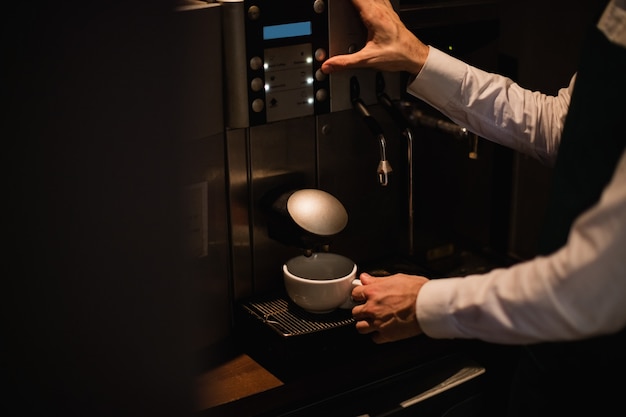
Exploring the vast array of coffee machines available is essential for any business wanting to enhance its offerings and cater to diverse customer preferences. Among the popular equipment types are espresso machines, which are renowned for their ability to brew rich, concentrated coffee shots that serve as the base for many popular beverages like lattes and cappuccinos. For businesses intending to deliver a premium coffee experience, espresso machines offer precision and customization, allowing baristas to manipulate variables like pressure and temperature to deliver superior quality and consistency. Additionally, drip coffee makers stand out for their efficiency in brewing larger volumes of coffee, making them ideal for cafes and diners needing to serve many customers swiftly.
Drip coffee makers are appreciated for their simplicity and reliability, catering to environments where high turnover and speed are necessary. Other equipment types include single-serve machines, which provide convenience and reduce waste, and French press machines, known for their full-bodied flavor extraction appeal. Choosing the right coffee machines involves evaluating the business’s specific needs, space constraints, and customer expectations. By understanding the features and benefits of different coffee machines, businesses can make informed decisions that enhance their offerings and boost customer satisfaction.
When selecting coffee equipment for your business, evaluating costs and the potential return on investment (ROI) is crucial. The initial outlay might seem daunting, but strategic budget considerations can help ensure you’re making a wise decision. Start by analyzing the upfront costs of various machines, from payment plans for high-end espresso machines to regular maintenance expenses. You’ll want to consider how these costs stack against your expected revenue and whether the investment aligns with your long-term business goals. Assess the durability and performance of the coffee equipment, as higher-priced models often offer greater reliability and extended warranties, which could lower your overall costs in the long term.
Balancing your initial investment with projected returns involves looking at more than just the sticker price. Consider potential savings or revenue increases that better coffee machines might bring, such as:
By carefully weighing these factors, you can choose coffee equipment that meets your budget without sacrificing future profitability.